What can I expect when my pet has had anaesthesia?
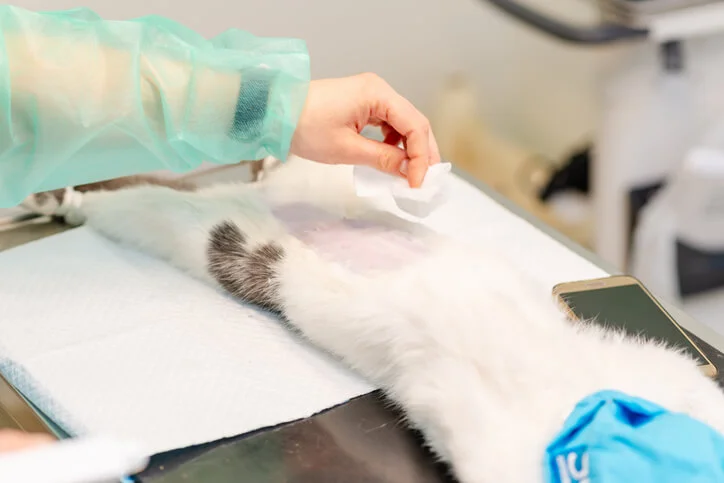
As with humans, many procedures (including surgeries) cannot be performed on a conscious or sedated animal. A pet will need to be under general anaesthesia and pain-free to allow the surgeons to perform the procedure. For geriatric or very ill animals, general anaesthesia is considered safer than sedation. If a pet is discharged on the day of the procedure, they will probably be a little sleepy and subdued. Strong pain relief will have been administered and this will last for some time. You should offer your pet some light food (e.g. boiled chicken or fish and rice) and water, but do not expect them to have a normal appetite. The effects of the anaesthetic will wear off over the coming days. Watch out for any signs of pain and communicate this to your vet if you are concerned.
How can I tell if my pet is in pain?
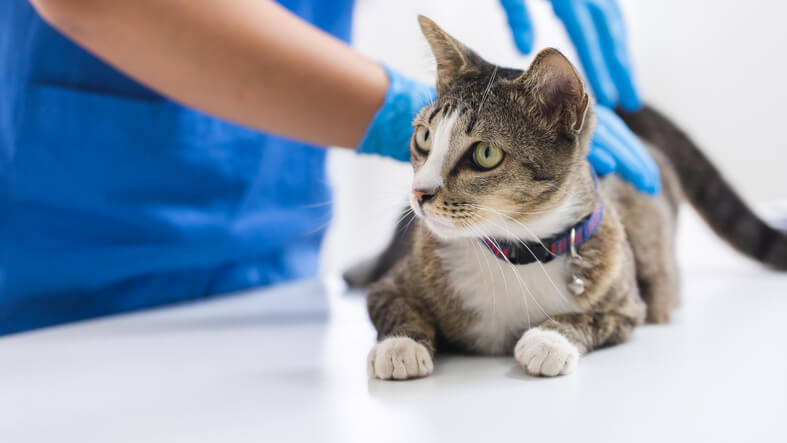
Pain is difficult to recognise in animals, as they cannot tell us what is hurting them. We can assume that if a condition would be painful in a person, the same condition would be painful in our pets. Although all animals experience pain, the expression of pain varies with age and species, as well as between individuals.